|
| credit: sg.asiatatler.com |
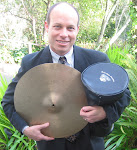
As an autobiography, the book reveals that Rogers single mindedly tried to understand how markets worked and struggled without pause to do so. He enjoyed learning how the world works, so he was motivated to understand markets as well as wanting not to lose money. He worked on holidays and through weekends. He had few distractions as none of his earlier marriages lasted long or produced children. The picture on the left shows Rogers with his third wife, Paige. He now has two Mandarin-speaking daughters as well. Rogers insists that he was successful because of his ability to think independently and willingness to travel and look at information sources himself.
The two main themes of the book are the transition to Asia as the economic powerhouse as American leadership declines and "a cyclical shift away from financial firms as a source of prosperity" (P. 5) in favor of producers of real goods, especially foodstuffs. (As an aside, brick and mortar education may be replaced by distance learning, and Rogers predicts many of today's elite universities will go bankrupt.)
Rogers states that the United States needs to do five things to be saved: change the tax system, change the education system, institute health-care and litigation reform, and bring the troops home" (P. 241), but he is doubtful that these reforms will occur because of the power of special interests. He suggests that the legislative branch no longer meet in Washington, D.C., and instead the representatives and senators should in their local areas and meet virtually, avoiding the power of the special interest groups.
Since Rogers conducts his business dealings ethically and believes his good name is invaluable, I found it interesting that he glosses over human rights violations in many of the leading Asian countries, comparing these problems to those in early America: lack of real democracy in the early years of the American Republic and the existence of a late 19th-century plutocracy. In other words, according to Rogers the United States committed many of the same sins now found in Asia. I find this comparison unfair as our government has committed crimes of omission (because the Constitution limits its powers) rather than commission, such as throwing people in prison because of their beliefs. Rogers' unwillingness to come to terms with Asian oppression is the weakness of this book. He feels that China, Myanmar, and North Korea will eventually change for the better. So invest today! Despite this flaw, the book is well worth reading.
I have previously recommended Rogers' Investment Biker book to my economics students and will add this book to my list of recommended books as well.
See my previous blogs about North Korea here and food prices here and here.